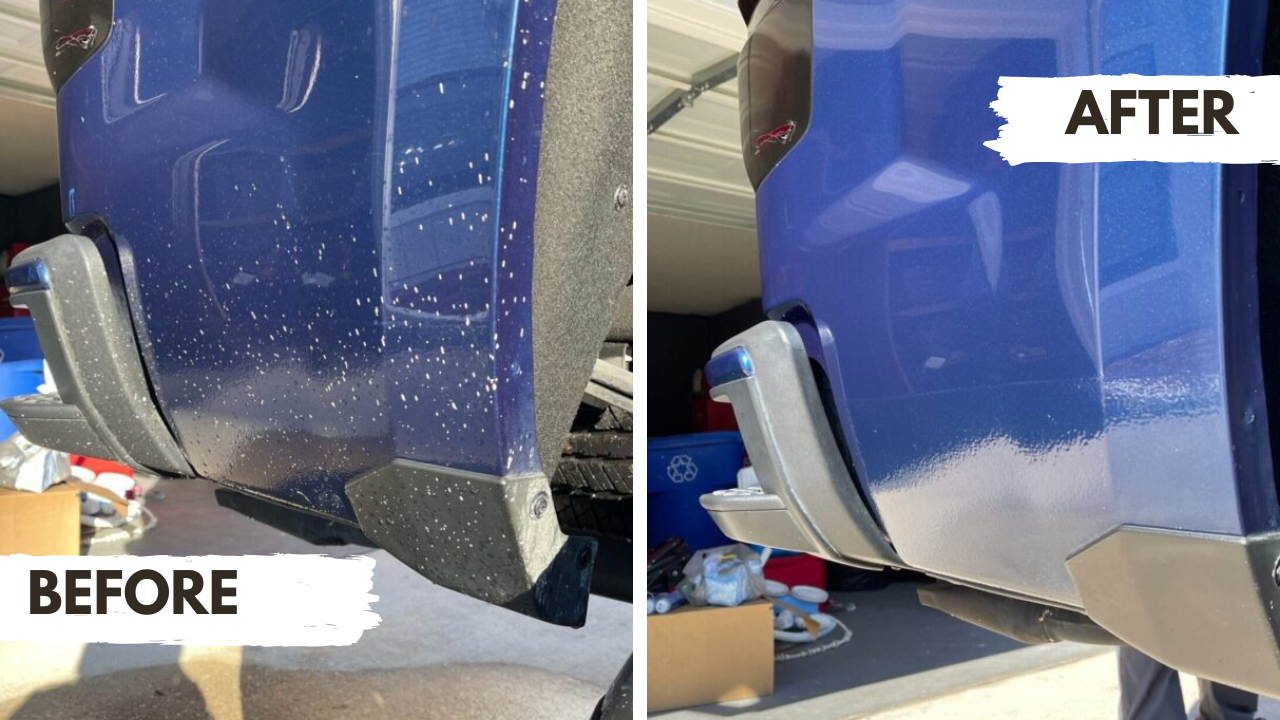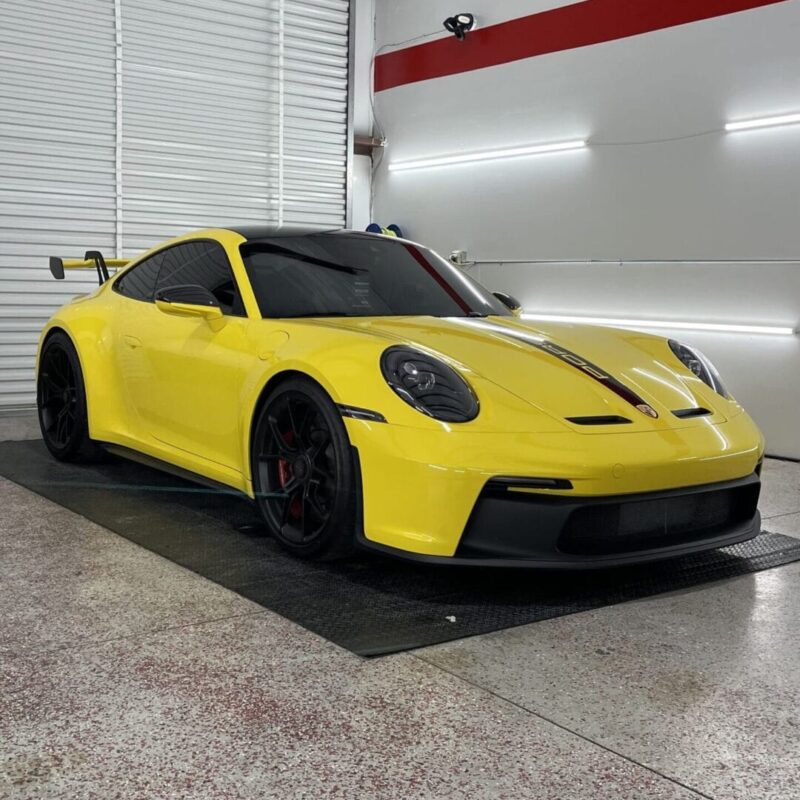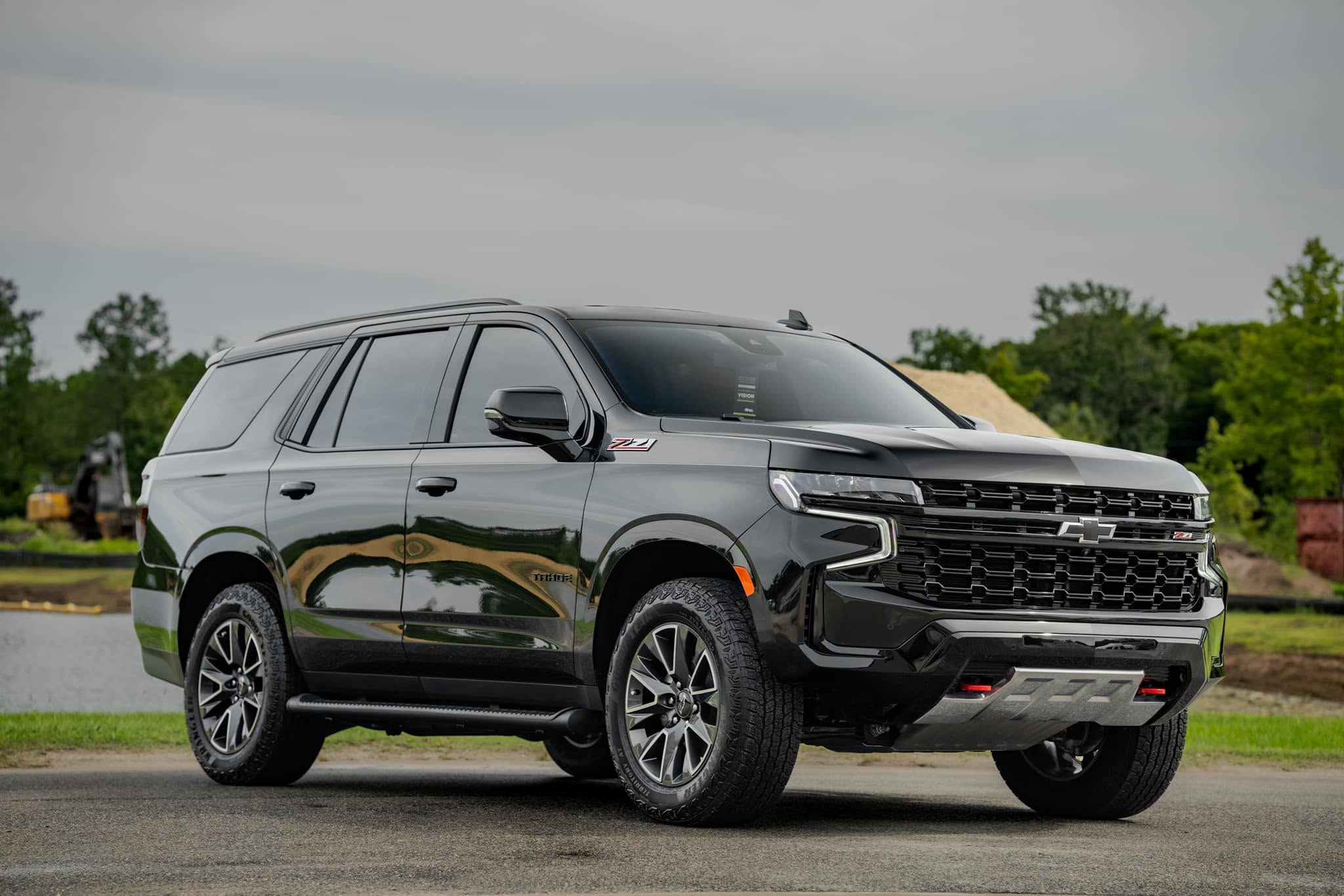
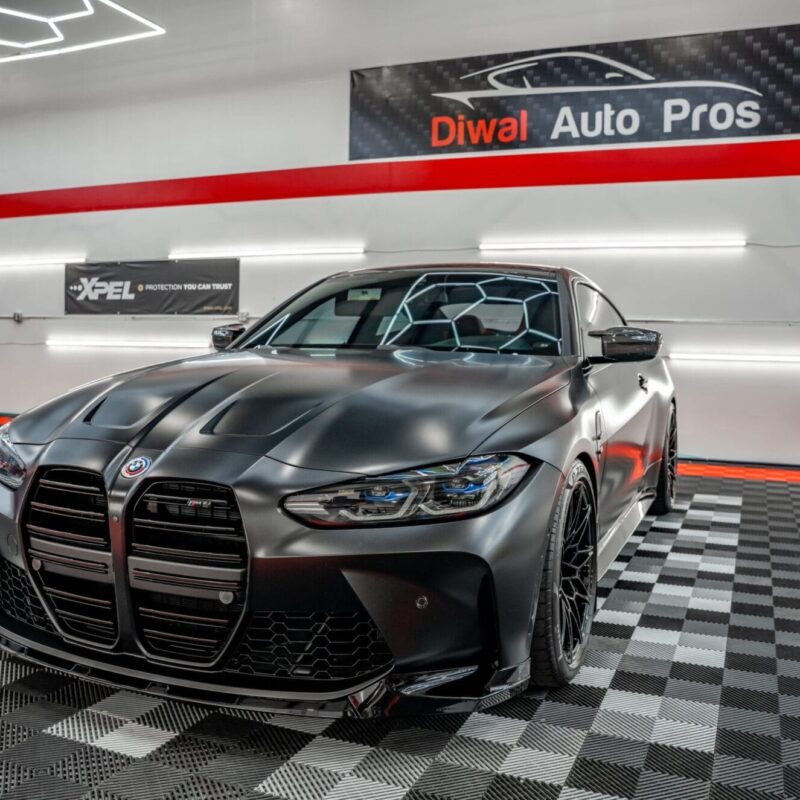
How to Choose the Right Car Detailing Service in Jacksonville, Florida

In Jacksonville, a car can look clean today and dull a few weeks later. The combination of sun exposure, moisture, road film, and seasonal debris constantly wears down both the paint and interior. Because of this, picking the right detailing shop isn’t just about shine, it’s about preventing long-term damage.

If you’ve ever paid for a “full detail” and the results faded quickly, the issue usually wasn’t the car… it was the level of service. Here’s how to tell the difference before you book.

Not All Detailing Packages Are the Same

Some businesses offer speed-based cleaning, while others perform corrective detailing. The names may sound identical, but the results are completely different.

Quick Service Detail

  • Surface wipe down
  • Fast vacuum
  • Spray wax
  • Tire shine
  • 20-30 minutes

Professional Detail

  • Deep cleaning & decontamination
  • Stain and residue removal
  • Paint polishing
  • Surface protection
  • 1+ hours

A true detail improves the condition of the vehicle. A quick clean only improves appearance temporarily.

All our standard detailing packages listed on our website are performed at our shop. We also offer mobile service exclusively for biweekly or monthly maintenance detail clients. Enrollment in our maintenance detailing program requires an initial comprehensive detail to be completed at our shop.

Jacksonville’s Climate Changes What Your Car Needs

Because Florida weather is aggressive, the right service should address environmental buildup not just dirt.

A qualified detailer will treat:

  • Embedded brake dust particles
  • Mineral deposits from rainwater
  • Interior moisture contamination
  • UV-damaged trim
  • Sticky road film

If these steps aren’t included, contamination remains even if the car looks shiny.

Ask What Happens Before Wax Is Applied

One of the biggest mistakes drivers make is focusing on wax or ceramic coating without asking about preparation.

Protection only works properly after:

  1. Decontamination washing
  2. Removal of bonded particles
  3. Surface leveling or polishing
  4. Oil removal for bonding

Applying protection without prep seals imperfections underneath and shortens durability.

Interior Detailing Should Improve Air Quality

In humid regions like Jacksonville, interiors collect more than dust — they trap moisture and bacteria.

A quality interior service should include:

  • Fabric or carpet extraction
  • Vent cleaning
  • Leather conditioning
  • Anti-bacterial treatment

If the interior smells strong immediately after service, it’s often covering odors rather than removing them.

Time Investment Tells You a Lot

Professional detailing is labor-intensive. Shops that promise full interior and exterior restoration in under an hour typically skip essential steps.

Typical time ranges:

  • Maintenance detail: 2–3 hours
  • Deep detail: half day
  • Correction detail: full day or more

Quality detailing focuses on thoroughness, not speed.

Maintenance Plans Matter

A good shop won’t just clean the car, they’ll help you keep it clean longer.

You should receive:

  • Washing recommendations
  • Protection lifespan expectations
  • Maintenance interval suggestions

This guidance prevents damage from returning quickly after the service.

Diwal Auto Pros
11482 Columbia Park
Jacksonville, FL 32258

📞 Call today to schedule an appointment
📩 Contact us for a free car detailing quote

We tailor detailing services around Florida driving conditions, focusing on deep cleaning, restoration, and surface protection rather than temporary cosmetic shine.

Restore the gloss. Renew the interior. Redefine the drive. — Diwal Auto Pros.

Ceramic Coating in Jacksonville, Florida — The Real Guide for Local Drivers

In Florida, your car doesn’t age by mileage, it ages by sunlight and moisture. Many Jacksonville vehicles lose gloss, turn dull, and develop permanent water spotting long before the mechanical parts ever wear out.

That’s exactly why ceramic coating has become one of the most requested services by drivers who want their vehicle to stay newer longer without constant waxing.

Below is a straightforward breakdown of what ceramic coating does, what to expect, and why it matters specifically in Jacksonville.

Why Traditional Protection Fails in Florida

Wax and sealants work fine in mild climates, but Jacksonville conditions remove them quickly.

Local environmental factors include:

  • Year-round UV exposure
  • High humidity
  • Frequent rainstorms
  • Airborne contaminants
  • Coastal salt particles
  • Bug residue

Most waxes last only a few weeks here. After that, your clear coat is exposed again — and damage begins accumulating slowly but permanently.

What Ceramic Coating Really Is

Ceramic coating is a nano-scale protective layer applied to your vehicle’s clear coat. Instead of sitting on the surface like wax, it bonds to the paint and becomes a hardened outer shell.

Think of it as upgrading your clear coat rather than covering it.

Key characteristics:

  1. Extremely slick surface
  2. High chemical resistance
  3. Water-repelling behavior
  4. UV blocking capability
  5. Long-term durability

What Changes After You Get Coated

Most drivers notice differences immediately after installation.

  • Washing becomes easier – Dirt struggles to stick. Most contamination rinses off instead of requiring scrubbing.
  • Water stops sitting on the paint – Rain beads and rolls off while driving, reducing water spotting.
  • Gloss stays consistent – Instead of fading month by month, the paint maintains a deep reflective look.
  • Bug cleanup takes minutes – Florida bug residue usually wipes away without etching.

Common Misunderstanding: It’s Not Armor

Ceramic coating is protection but it’s chemical protection.

It helps against:

  • Oxidation
  • Staining
  • UV fading
  • Environmental contamination

It does NOT stop:

  • Rock chips
  • Deep scratches
  • Door dings

That type of impact protection requires paint protection film (PPF). Many owners combine both services.

Lifespan Expectations

Longevity depends mostly on preparation and installation quality.

Installation Level

Expected Protection

Quick detail spray

Several months

Consumer grade coating

1–2 years

Professional coating

Multiple years

A properly installed coating should outlast several Florida summers without reapplication.

The Step Most Shops Skip — Paint Correction

Applying coating on unprepared paint traps defects permanently underneath it.

Professional installation should always include:

  • Iron removal
  • Clay treatment
  • Machine polishing
  • Surface panel wipe

This step determines both the appearance and durability of the coating.

Maintenance Is Simple (But Important)

Ceramic coating reduces effort — it doesn’t eliminate care.

To keep performance strong:

  • Hand wash regularly
  • Avoid brush car washes
  • Use gentle soap
  • Dry the vehicle properly

Good maintenance can extend coating performance significantly.

Who Should Consider It Most in Jacksonville

Ceramic coating provides the biggest benefit for:

  • Vehicles parked outdoors daily
  • Dark paint colors
  • New car purchases
  • Leased vehicles
  • High-end finishes
  • Drivers tired of constant waxing

Because Florida weather never really gives paint a break, long-term protection matters more here than in cooler regions.

Diwal Auto Pros
11482 Columbia Park
Jacksonville, FL 32258

📞 Call today to schedule an appointment
📩 Contact us for a ceramic coating quote

Long-lasting shine starts with professional ceramic protection — Diwal Auto Pros.

Window Tinting in Jacksonville: What Drivers Should Know First

You finally tint your windows — the car looks cleaner, the heat drops, and driving feels better.
Then a few weeks later… you notice a patrol car paying extra attention.

In Florida, window tint isn’t just about appearance or comfort. If the film is too dark, it can lead to a citation and forced removal — meaning you pay twice.

Knowing the legal limits before installation saves money and headaches.

Why Tint Laws Exist

Florida sunlight is intense, so tint is allowed but only to a certain level. The law balances two things:

  • Driver comfort and UV protection
  • Visibility for law enforcement and safety

Instead of measuring how dark a tint looks, the law measures how much light passes through the glass, called Visible Light Transmission (VLT).

  • Lower VLT = darker tint
  • Higher VLT = lighter tint

Legal Tint Limits in Florida (Passenger Vehicles)

  • Front Side Windows: Must allow more than 28% of light in
  • Rear Side Windows: Must allow more than 15% of light in
  • Rear Window: Must allow more than 15% of light in
  • Windshield: Non-reflective tint allowed only above the AS-1 line (top strip)

Anything darker than these limits is considered illegal — even if it looks factory installed.

What Many Drivers Get Wrong

Online photos and out-of-state cars create confusion. Tint legal in another state may be illegal in Florida.

Common mistakes:

  • Matching rear factory privacy glass with dark front tint
  • Choosing appearance over measurement
  • Assuming ceramic tint is automatically legal
  • Buying pre-cut tint kits without checking VLT rating

A professional installer measures film properly to keep you compliant.

Medical Exemptions

Florida allows darker tint for certain medical conditions that require additional UV protection.
Drivers must always carry an approved exemption certificate inside the vehicle.

Without documentation, the tint is still considered illegal.

What Happens If Your Tint Is Too Dark

A non-compliant tint can lead to:

  • Traffic citation
  • Required removal
  • Reinstallation cost
  • Possible inspection failure

Most drivers spend more correcting illegal tint than installing legal tint properly the first time.

How to Choose the Right Tint

Legal tint can still block heat and UV effectively. Film technology matters more than darkness.

Modern ceramic films:

  • Reject heat without extreme darkness
  • Maintain visibility at night
  • Stay within legal limits
  • Avoid attracting attention

You can stay comfortable without risking a ticket.

Tint It Once — Tint It Right

Window tint should improve your drive, not create problems. The best approach is choosing a shade designed for Florida regulations before installation.

Diwal Auto Pros
11482 Columbia Park
Jacksonville, FL 32258

📞 Call today to schedule an appointment
📩 Contact us for a free window tint quote

Stay cool. Stay legal. Drive worry-free — Diwal Auto Pros.

The First Rock Chip Always Happens Too Late — Why PPF Matters in Jacksonville

Your vehicle doesn’t slowly get damaged… it happens in one second.

A single rock on I-95.
A piece of sand kicked up at a stoplight.
Road debris during your morning commute.

You hear the tick and the paint is already chipped.

In Jacksonville, constant highway driving, construction zones, and sandy roads make paint damage almost unavoidable. The problem isn’t cleaning your car after the damage done, it’s preventing the impact before it reaches the paint.

That’s exactly what Paint Protection Film is designed to do.

What Actually Causes Paint Damage

Most drivers assume scratches come from bad washing or parking lots.
In reality, most of the permanent damage comes from high-speed impact.

At highway speeds, small debris hits your vehicle like tiny projectiles:

  • Rock chips on bumpers and hoods
  • Sandblasting on lower panels
  • Pitting on headlights
  • Edge wear on door panels

Once the clear coat breaks, moisture and contaminants enter the paint layer — and the damage spreads beyond what polishing can fix.

The Protective Barrier Your Paint Doesn’t Have

Paint Protection Film (PPF) is a transparent urethane layer installed over vulnerable areas of your vehicle. Instead of debris striking paint, it strikes the film.

The impact energy gets absorbed before reaching the clear coat.

Modern PPF also contains self-healing properties. Light scratches disappear with heat, meaning daily wear doesn’t accumulate over time.

Where Damage Happens First

Most vehicles don’t need full coverage to benefit. The highest impact zones take nearly all the abuse:

  • Front bumper
  • Hood leading edge
  • Side mirrors
  • Fender edges
  • Rocker panels
  • Headlights

Protecting these areas dramatically reduces visible wear over years of driving.

Why Washing and Coatings Aren’t Enough

Detailing restores appearance.
Ceramic coating helps cleaning.
But neither stops physical impact.

PPF is different, it prevents the damage from ever reaching the paint surface.

That’s why many new vehicles look older within a year without it, especially in heavy commuting areas.

Long-Term Benefits of PPF

Installing film early changes how your vehicle ages:

  • Paint remains smooth and chip-free
  • Front end keeps its original gloss
  • Headlights resist pitting and hazing
  • Trade-in value stays higher
  • Maintenance becomes easier

Instead of correcting damage later, you avoid creating it at all.

Daily Driving Without Worry

With PPF installed, normal driving stops feeling risky. You no longer must park far away, avoid highways, or stress over debris trucks.

You just drive.

Protect Before the First Chip

Most owners install paint protection after damage — when it’s already too late. The best time is before the first impact happens.

Diwal Auto Pros
11482 Columbia Park
Jacksonville, FL 32258

📞 Call today to schedule an appointment
📩 Contact us for a free PPF quote

Drive on the same roads. Just don’t let them touch your paint — Diwal Auto Pros.