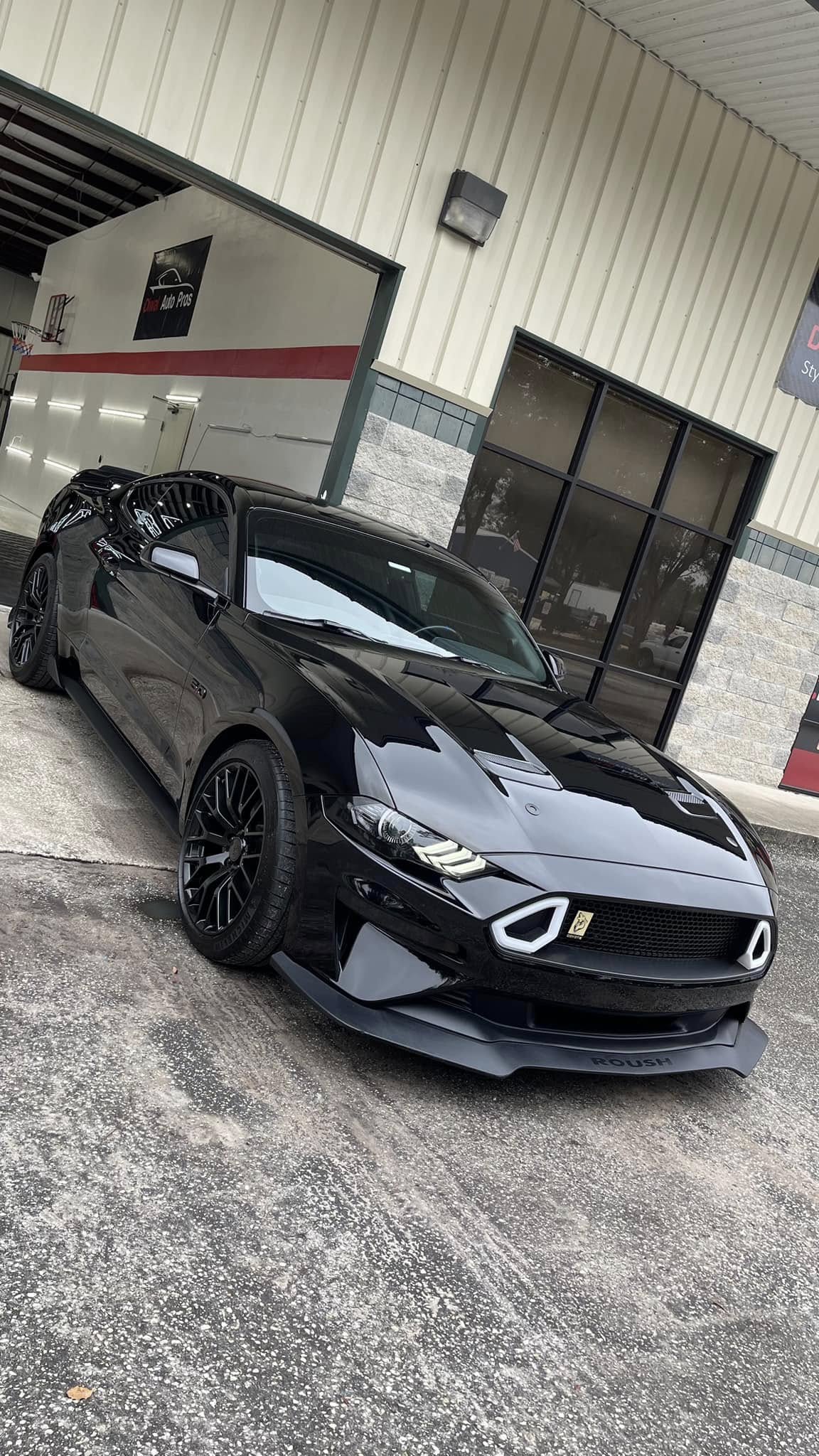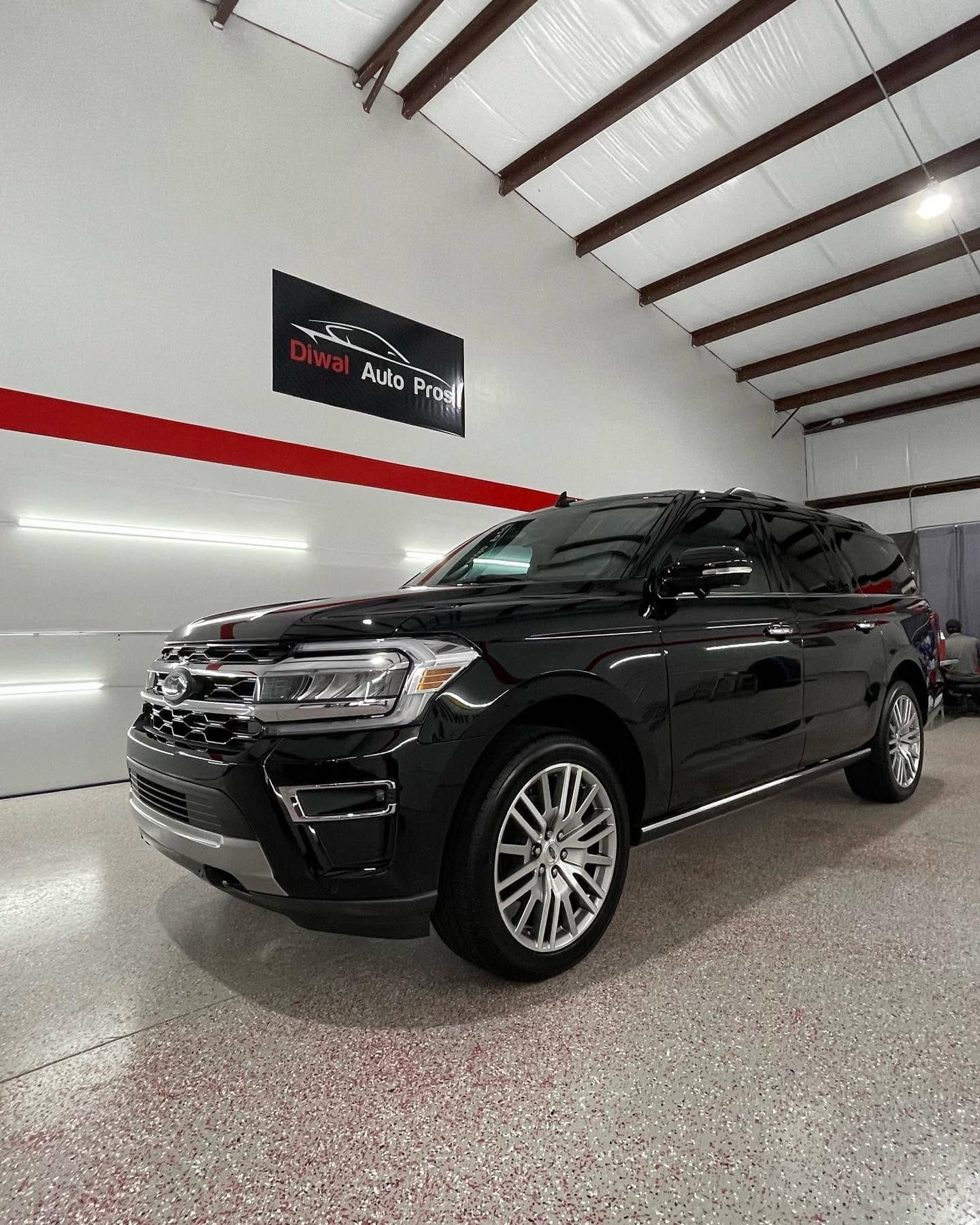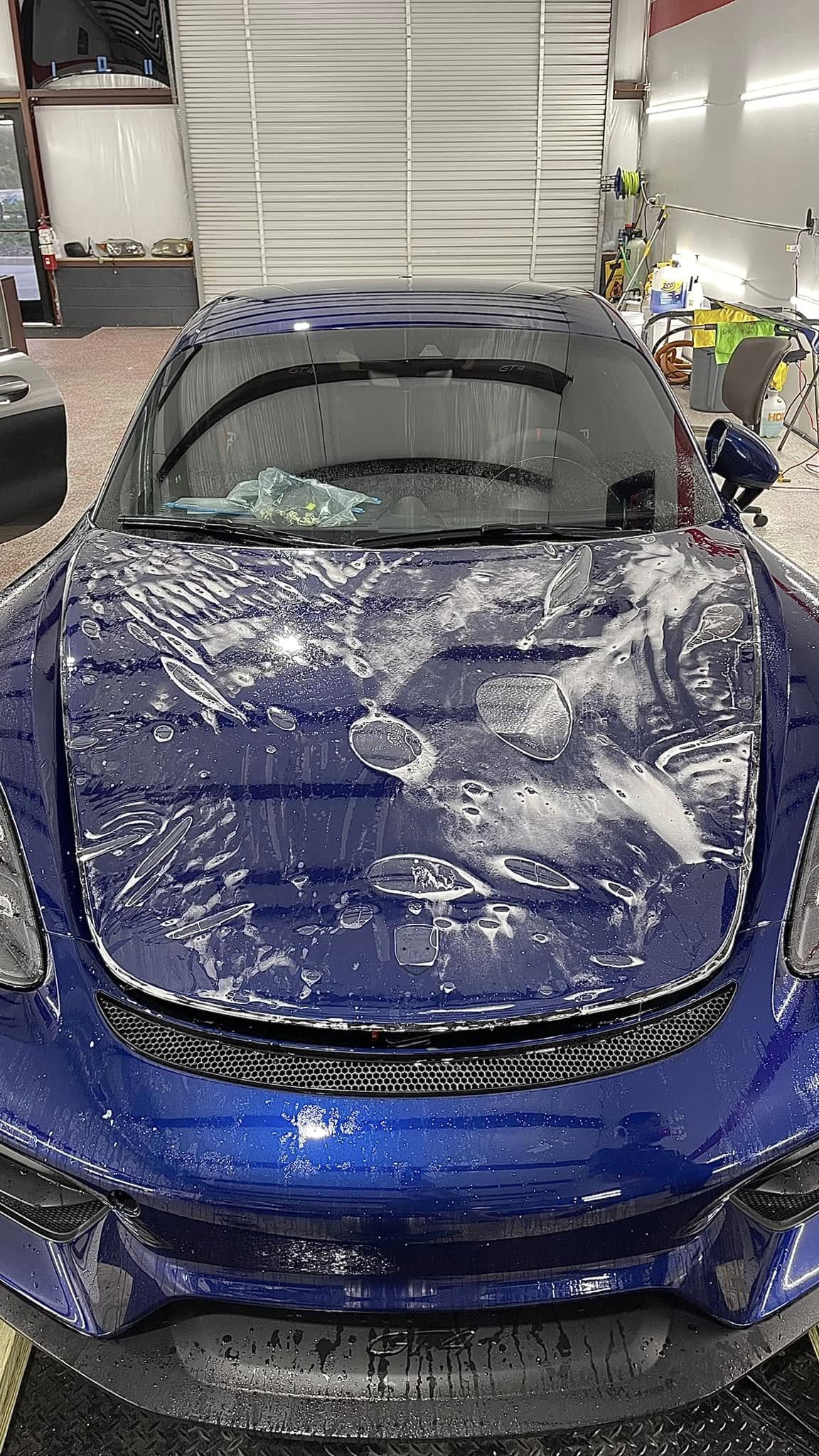
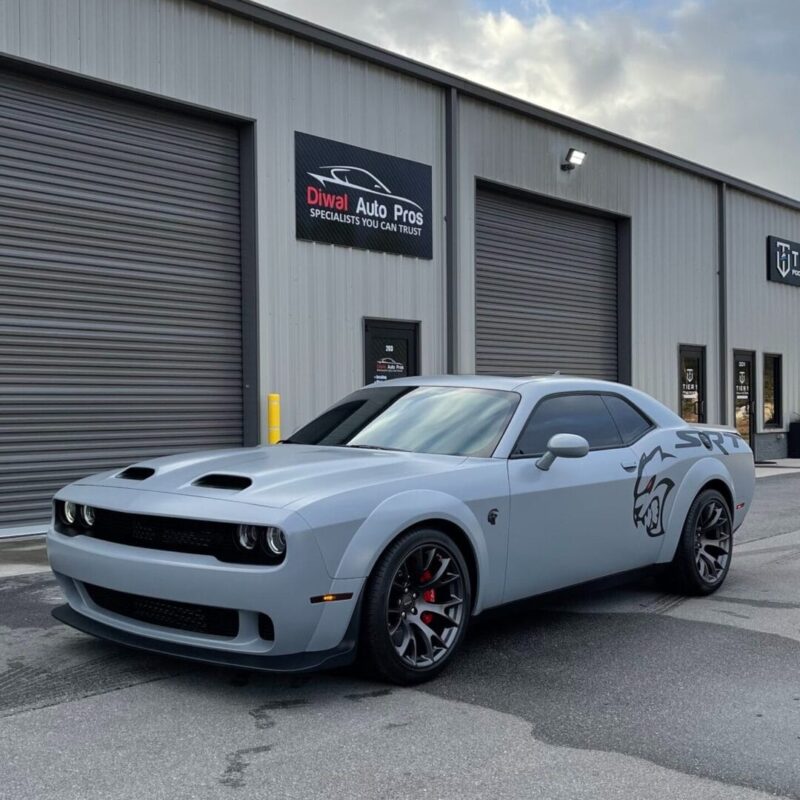
Why Your Car Looks Dirty Again Soon After Washing It

You washed your car yesterday.

The paint looked glossy. The windows were clear. The wheels finally looked presentable again.

By the next afternoon, there was dust across the hood, streaks along the doors, spots on the glass, and grime collecting behind the wheels.

It can feel as though the wash accomplished nothing.

The truth is that your car may not be getting dirty unusually fast. The cleaning process, the condition of the paint, and the protection left on the surface may all be affecting how quickly contamination becomes visible.

At Diwal Auto Pros, we look beyond the dirt you can see. Understanding where it comes from is the first step toward keeping your vehicle cleaner for longer.

Your Car May Never Have Been Completely Clean

A quick wash removes loose dirt, but it may leave behind contamination that has bonded to the surface.

Run your hand gently across freshly washed paint. If it feels rough rather than smooth, the vehicle may still have embedded material such as:

  • Road film
  • Brake dust
  • Tree sap mist
  • Industrial fallout
  • Bug residue
  • Mineral deposits
  • Tar particles
  • Old wax buildup

These contaminants can trap new dust and grime. The vehicle may look clean from several feet away, but the surface is already prepared to collect more dirt.

A proper detail may require chemical decontamination, mechanical decontamination, or paint correction not simply another layer of soap.

The “Clean Car” Timeline

What happens after a wash often explains why the clean appearance disappears so quickly.

Immediately After Washing: Water Remains in Hidden Areas

Water collects inside mirrors, door handles, emblems, trim, fuel doors, panel gaps, and window seals.

Once the vehicle starts moving, that water escapes and travels across the paint. It carries trapped dirt with it, leaving streaks on areas that were recently cleaned.

This is why a vehicle can look spotless while parked and develop dirty trails after the first drive.

Professional drying involves more than wiping the large panels. Tight spaces and hidden water traps also need attention.

Several Hours Later: Minerals Begin Showing

If water is allowed to dry naturally, it can leave mineral deposits behind.

These deposits may appear as:

  • White rings
  • Cloudy marks
  • Dull patches
  • Small spots on glass
  • Uneven reflections on dark paint

Jacksonville heat can cause water to evaporate quickly, leaving the minerals concentrated on the surface.

Hard-water spots are not always fresh dirt. They are often evidence that water dried before it was safely removed.

After the First Drive: Road Film Returns

Road film is different from ordinary dust.

It is a thin mixture of traffic residue, moisture, oils, tire particles, exhaust contamination, and fine debris. Because the material can be slightly oily, it clings to lower doors, bumpers, rocker panels, and the rear of the vehicle.

A quick rinse may make the car look better without fully removing this film. Once more dust lands on it, the dirty appearance returns almost immediately.

The Drying Towel Could Be Reapplying Dirt

A towel can look clean while still holding residue from previous washes.

Using dirty, overloaded, or poorly washed microfiber towels may spread:

  • Old wax
  • Drying-aid residue
  • Tire dressing
  • Detergent buildup
  • Fine dirt particles
  • Fabric softener

Instead of leaving a clean surface, the towel may create smears that attract dust or become highly visible in sunlight.

Wheels, paint, glass, and interior surfaces should also have separate towels. A towel used near tires or exhaust areas should never return to the body panels.

Our towel selection and handling are part of the detailing process because clean paint requires clean tools.

Your Wash Method May Be Leaving Soap Behind

Using too much soap does not necessarily produce a cleaner car.

When shampoo is not fully rinsed away, it can leave a film that makes the paint look cloudy or streaked. That residue may also attract dust.

Soap can remain around:

  • Door handles
  • Side mirrors
  • Window trim
  • Emblems
  • Grilles
  • License plate frames
  • Spoilers
  • Body seams

Washing in direct sunlight can make this problem worse because the product may dry before it is rinsed.

A controlled wash uses the correct product mixture, keeps the surface wet, and rinses every section thoroughly.

Dirty Wheels Can Ruin a Clean Exterior

The body may be spotless, but contaminated tires and wheel wells can quickly spread dirt back onto the vehicle.

Excess tire dressing can sling onto:

  • Lower doors
  • Rear quarter panels
  • Rocker panels
  • Bumpers
  • Fenders

Brake dust and wheel grime can also move onto nearby panels during wet driving.

Applying more tire shine than the rubber can absorb does not improve the finish. It often creates glossy streaks across the paint during the next drive.

A clean vehicle requires properly cleaned tires, wheels, barrels, and wheel wells not just polished exterior panels.

Unprotected Paint Holds Dirt More Easily

Vehicle paint is not perfectly flat. Over time, washing, weather exposure, oxidation, and minor damage can make the surface feel rougher.

When paint lacks protection, contaminants may grip the clear coat more strongly. Water also moves less efficiently across the surface, leaving behind dirt and spotting.

Wax, sealant, and ceramic coating can each improve surface behavior, but they provide different levels of durability and performance.

A ceramic coating, when properly installed and maintained, can create a smoother surface that makes routine cleaning easier. It will not stop the car from getting dirty, but it can reduce how strongly some contaminants attach.

At Diwal Auto Pros, we inspect the paint before recommending protection. Applying a product over contaminated or damaged paint will not solve the underlying problem.

The Rear of Your Vehicle Is a Dirt Magnet

Have you noticed that the rear hatch, bumper, or trunk becomes dirty faster than the hood?

This is not always a washing mistake.

As the vehicle moves, air flows over and around the body. Behind the vehicle, that airflow can pull dust, road spray, and fine debris toward the rear surface.

This is especially noticeable on:

  • SUVs
  • Hatchbacks
  • Crossovers
  • Vans
  • Vehicles with upright rear panels

The rear may become dusty after only one drive, even when the rest of the vehicle still looks relatively clean.

Regular maintenance can reduce buildup, but some areas naturally require more frequent attention.

Outdoor Parking Changes Everything

A freshly washed car parked outside may immediately be exposed to:

  • Pollen
  • Dust
  • Tree debris
  • Bird droppings
  • Insects
  • Sprinkler water
  • Coastal moisture
  • Construction debris

Parking beneath a tree may provide shade, but it can also expose the vehicle to sap mist, pollen, leaves, and birds.

Sprinklers are another common problem. Water that lands on warm paint can dry quickly and leave visible mineral spots.

When possible, choose parking away from trees, active sprinklers, dusty construction areas, and landscaping crews.

More Washing Is Not Always the Solution

When a vehicle looks dirty again, the immediate response is often to wash it more frequently.

That can help, but only when the correct method is used.

Repeated improper washing can introduce:

  • Swirl marks
  • Fine scratches
  • Water spots
  • Towel marks
  • Dull paint
  • Damaged trim

A better solution may be to correct the condition that is making the vehicle difficult to maintain.

That could include:

  1. Removing bonded contamination
  2. Correcting rough or damaged paint
  3. Cleaning neglected trim and panel gaps
  4. Improving the washing and drying process
  5. Applying suitable paint protection
  6. Establishing a consistent maintenance schedule

The goal is not to wash the vehicle every time a speck of dust appears. It is to make each wash more effective.

How Diwal Auto Pros Helps Vehicles Stay Cleaner Longer

Our detailing is not treated as a fast soap-and-rinse service.

We evaluate the condition of the paint, wheels, trim, glass, and hard-to-reach areas. Depending on the vehicle, the process may include:

  • Thorough hand washing
  • Wheel and tire cleaning
  • Bug and tar removal
  • Paint decontamination
  • Water-spot treatment
  • Paint correction
  • Ceramic coating
  • Interior and exterior detailing
  • Ongoing maintenance services

Our regular detailing packages are completed at our Jacksonville shop, where we have the equipment and environment needed to provide more controlled results.

For customers interested in recurring mobile maintenance, the vehicle must first receive a thorough in-shop detail. This gives our team a proper starting point and allows future maintenance visits to preserve the condition rather than repeatedly fight neglected buildup.

A Clean Car Should Be Easier to Maintain

Your vehicle will never remain perfectly clean forever. It is exposed to the road, weather, parking conditions, and environmental contamination every day.

However, it should not feel as though every wash disappears within hours.

When the surface is properly cleaned, dried, protected, and maintained, dirt becomes easier to remove and the vehicle’s appearance lasts longer between services.

For professional car detailing, paint correction, and ceramic coating in Jacksonville, Florida, contact Diwal Auto Pros.

We can identify why your vehicle becomes dirty so quickly and recommend a practical maintenance plan based on how you drive, park, and care for it.

Diwal Auto Pros
11482 Columbia Park
Jacksonville, FL 32258

📞 Call today to schedule an appointment
📩 Contact us for a free car detailing quote

Do Not Just Wash Away the Dirt—Fix What Keeps Bringing It Back.

Why Window Tint Needs Time to Cure After Installation

Your window tint installation is complete. The film looks clean, the vehicle feels upgraded, and you are ready to enjoy better comfort and privacy.

However, the installation process is not completely finished when your vehicle leaves the shop.

Window film needs time to fully dry and bond to the glass. During this curing period, the tint may appear slightly cloudy, develop small moisture pockets, or look different from one window to another. These temporary changes can concern vehicle owners who do not know what is happening beneath the film.

At Diwal Auto Pros, we want customers to understand that curing is not a defect. It is a normal and important stage of a professional window tint installation.

What Is Happening Beneath the Window Film?

Window tint is installed using a liquid application solution. This solution allows the installer to position the film accurately, remove larger air pockets, and create a smooth fit against the glass.

Most of the solution is removed during installation, but a small amount of moisture may remain between the film and the window.

Over time, that remaining moisture evaporates through the film. As it dries, the adhesive continues bonding to the glass.

This is why newly installed tint may not look exactly the same on the first day as it will after it has fully cured.

The First Few Days: What You May Notice

Every installation and vehicle is different, but several temporary conditions may appear during the early curing period.

A Slightly Hazy Appearance – Freshly installed window tint may appear cloudy or hazy when viewed from certain angles. This is often caused by moisture that has not yet evaporated.

The haze should gradually become less noticeable as the film dries.

Small Water Pockets – Tiny moisture pockets may appear beneath the tint. They can look like small dots, bubbles, or uneven areas.

These should not be pressed, punctured, or rubbed. Disturbing them can damage the film or interfere with the adhesive.

Temporary Visual Distortion – Lines, reflections, and outside objects may look slightly distorted through newly installed tint. As the moisture dries and the film settles, visibility should become clearer.

Different Curing Speeds Between Windows – One side of the vehicle may receive more sunlight than the other. Some windows may also have different shapes, angles, or glass thicknesses.

As a result, one window may appear fully settled while another still shows signs of moisture. This does not necessarily mean the installation is uneven.

Why Jacksonville Weather Affects Curing

The time window tint needs to cure is influenced by temperature, sunlight, humidity, and where the vehicle is parked.

Jacksonville’s warm weather can help moisture evaporate, especially when the vehicle receives moderate sunlight. However, high humidity, rain, shaded parking, or cooler seasonal temperatures may slow the process.

This means there is no single curing timeline that applies perfectly to every vehicle.

Some tint installations may settle within several days, while others may require additional time before all moisture disappears. Your installer’s aftercare instructions should always take priority because the film type, vehicle, and weather conditions can affect the recommendation.

We inspect the installation before delivery and explain what customers should expect during the curing stage.

The Most Important Rule: Do Not Roll the Windows Down Too Soon

New window film needs time to attach securely near the edges of the glass.

Rolling the windows down too early can cause the film to:

  • Peel away from the glass
  • Catch against the window seal
  • Fold near the bottom edge
  • Develop creases
  • Shift from its installed position
  • Collect contamination beneath a lifted section

Even when the center of the window looks dry, the edges may still be settling.

Wait for the period recommended by our team before operating the tinted windows. A little patience can prevent avoidable damage and the need for correction.

Avoid Trying to “Fix” Moisture Pockets Yourself

A small bubble in freshly installed tint can make an owner want to push it toward the edge. That can turn a normal curing condition into permanent damage.

Pressing on new tint may create:

  • Fingerprints beneath lifted film
  • Adhesive marks
  • Creases
  • Scratches
  • Stretched sections
  • Contaminated edges

Never puncture a moisture pocket with a needle, blade, pin, or other sharp object. A hole in the film will not disappear after curing.

The safest approach is to leave the window untouched and allow the moisture to evaporate naturally.

Be Careful When Cleaning the Interior Glass

New window film is installed on the inside surface of the glass. Cleaning that surface too soon may disturb the film before it has fully bonded.

During the initial curing period, avoid:

  • Spraying cleaner directly onto the tint
  • Scrubbing the glass
  • Using rough towels
  • Cleaning around the film’s edges
  • Applying stickers, mounts, or suction cups
  • Using ammonia-based glass cleaners

Once the film is ready for normal cleaning, use a tint-safe cleaner and a clean microfiber towel. Spray the product onto the towel rather than heavily soaking the window.

Diwal Auto Pros can provide maintenance guidance based on the film installed on your vehicle.

What Is Normal and What Should Be Inspected?

Temporary haze and small moisture pockets can be normal shortly after installation. However, certain issues should be evaluated if they remain after the expected curing period.

Contact the installer if you notice:

  • Edges that continue to lift
  • Large air pockets that do not change
  • Peeling near the window seals
  • Creases or folds in the film
  • Visible debris trapped beneath the surface
  • Scratches or cuts
  • Gaps that expose part of the window
  • Distortion that does not improve

The key difference is whether the area is gradually improving.

Moisture-related conditions often become smaller or clearer as the film cures. Installation-related damage usually remains unchanged.

Instead of attempting a home repair, allow a professional to inspect the window.

Why Rushing the Cure Can Shorten the Life of Your Tint

The curing stage helps establish the bond that keeps the film properly attached to the glass.

When new tint is rolled down, scrubbed, pressed, or exposed to unnecessary contact too soon, the adhesive may be disturbed before it has finished setting.

This can affect:

  • Edge stability
  • Film clarity
  • Overall appearance
  • Long-term adhesion
  • Resistance to peeling

Proper aftercare is one of the simplest ways to protect the investment you just made.

A high-quality film and professional installation matter, but the first few days of ownership also play a role in the final result.

Diwal Auto Pros Does Not Treat Pickup Day as the Finish Line

At Diwal Auto Pros, professional window tinting involves more than placing film on glass.

Our process focuses on careful surface preparation, accurate film placement, clean edges, detailed inspection, and clear aftercare guidance. We want every customer to know what is normal, what should be avoided, and when to contact us with a concern.

We also perform quality-control checks to evaluate the finished installation. Our team understands that every vehicle presents different challenges, from curved rear glass to tight window seals and complex door-panel designs.

The objective is not to rush vehicles through the shop. It is to deliver tint that looks clean, performs properly, and complements the vehicle.

Let the Film Finish Its Work

New window tint may look complete when you pick up your vehicle, but the adhesive and remaining installation moisture still need time to settle.

During the curing period:

  • Keep the windows closed for the recommended time.
  • Do not press on bubbles or moisture pockets.
  • Avoid cleaning the inside glass too soon.
  • Allow temporary haze to clear naturally.
  • Follow the aftercare instructions provided by your installer.
  • Request an inspection if an issue does not improve.

For professional window tint installation in Jacksonville, Florida, contact Diwal Auto Pros. Our team will help you choose the right film, install it with careful attention to detail, and explain how to protect it after you leave the shop.

Diwal Auto Pros
11482 Columbia Park
Jacksonville, FL 32258

📞 Call today to schedule an appointment
📩 Contact us for a free window tint quote

A Clean Installation Takes Skill. A Lasting Result Takes Patience.

Can Window Tint Improve Comfort for Children and Pets?

The driver controls the air conditioning, adjusts the vents, and sits behind a windshield designed for clear visibility. Children and pets in the back seat experience the ride differently.

Sunlight may hit them directly through the side windows. A child’s car seat can become warm while the front cabin feels comfortable. A pet may move from one side of the vehicle to the other, searching for relief from glare and heat.

Professional window tint cannot control every condition inside a vehicle, but it can help create a more balanced and comfortable cabin.

At Diwal Auto Pros, we help families choose window film based on real driving needs, not simply how dark they want the glass to look.

The Back Seat Can Feel Different From the Front

A vehicle’s air-conditioning system does not always cool every seating area at the same rate.

This is especially noticeable in:

  • Vehicles without rear air vents
  • Large SUVs and crossovers
  • Cars with wide side windows
  • Vehicles with panoramic roofs
  • Dark-colored interiors
  • Rear-facing child-seat setups
  • Pet carriers placed near side or cargo-area windows

While the driver may feel cool air directly, a child or pet may still be exposed to intense sunlight through the glass.

Window tint helps address the heat entering the cabin rather than relying only on the air conditioner to fight it afterward.

Comfort Is About More Than Darker Glass

Many drivers assume darker tint automatically means better heat protection. That is not always the case.

The performance of window film depends on its construction and its ability to manage solar energy. A high-quality film may provide meaningful heat and UV protection without making the windows extremely dark.

This matters for families who want:

  • A cooler-feeling cabin
  • Reduced glare
  • Clear daytime visibility
  • Better nighttime visibility
  • A clean factory-style appearance
  • Film that follows applicable tint regulations

We discuss film performance, shade, visibility, and vehicle use before recommending an option.

The goal is not to make the glass as dark as possible. The goal is to make each drive more comfortable and practical.

How Window Tint Helps Children During Daily Drives

Children may be more sensitive to changes in temperature and bright sunlight, especially during longer trips.

Less Direct Sunlight on Car Seats – Child car seats are often positioned close to rear side windows. When sunlight passes directly through the glass, the seat fabric, buckles, and surrounding surfaces can become uncomfortable.

Window tint helps reduce the amount of solar energy entering through those windows, which may help the rear seating area feel more manageable.

Parents should still check buckles and seating surfaces before placing a child in the car, particularly after the vehicle has been parked outdoors.

Reduced Glare During Naps – A sleeping child can quickly wake up when bright sunlight reaches their face.

Window shades may help, but they can shift, fall, or cover only part of the glass. Professionally installed tint provides consistent coverage across the window without requiring parents to reposition a temporary shade during every drive.

Reduced glare may make naps, reading, and screen use more comfortable for back-seat passengers.

Added UV Protection – Vehicle glass can block some ultraviolet radiation, but the level of protection varies by window type.

Quality window film can provide additional UV filtering, helping reduce long-term exposure for passengers and interior surfaces. This is particularly useful for families who spend significant time commuting, traveling, or driving during daylight hours.

Window tint is not a replacement for sunscreen, protective clothing, or other sun-safety precautions, but it can be one part of a more comfortable driving environment.

How Window Tint Helps Pets on the Road

Pets cannot adjust the vents, explain that they are uncomfortable, or ask to move away from the sun.

They may pant, become restless, or repeatedly change positions when heat and glare become uncomfortable.

A More Consistent Cabin Environment

When less solar heat enters through the windows, the air-conditioning system may have an easier time maintaining a comfortable cabin.

This can be especially helpful for dogs traveling in:

  • Rear seats
  • Cargo areas
  • Travel crates
  • Pet barriers
  • Third-row seating areas

Window tint does not cool a parked vehicle on its own, but it can help reduce the intensity of sunlight while the vehicle is being driven and the climate-control system is operating.

Less Glare Through Side Windows – Some pets enjoy watching the surroundings during a drive. However, intense glare can make them turn away from the window or become unsettled.

Tinted glass softens harsh sunlight without completely removing outside visibility.

Improved Privacy at Stops – Window tint can also make it more difficult for people outside the vehicle to immediately see a pet carrier, child seat, personal belongings, or other items inside.

Tint should never be treated as a security system, but the added privacy can be useful during fuel stops, school pickups, and daily errands.

Important: Tint Does Not Make a Parked Car Safe

Window tint can reduce heat entering the cabin, but it cannot prevent a parked vehicle from becoming dangerously hot.

Children and pets should never be left unattended inside a parked vehicle, even when:

  • The windows are tinted
  • The windows are slightly open
  • The vehicle is parked in the shade
  • The weather feels mild
  • The stop is expected to be brief

Tint is a comfort upgrade for occupied, properly ventilated, and climate-controlled vehicles. It is not a substitute for supervision or safe travel practices.

Choosing Tint for a Family Vehicle

The best tint setup depends on how the vehicle is used.

A parent driving children to school may have different priorities from someone transporting dogs to outdoor activities. A large SUV may also need a different approach than a compact sedan.

Questions worth considering include:

  • Which seats receive the most direct sunlight?
  • Does the vehicle have rear climate controls?
  • Are children using rear-facing or forward-facing seats?
  • Will pets ride in the back seat or cargo area?
  • Is nighttime visibility a major concern?
  • Does the factory glass already have a dark appearance?
  • How much privacy does the family want?

Factory privacy glass may look dark, but appearance alone does not confirm how much heat or UV protection it provides. Professional window film may still be added to improve performance, depending on the vehicle and desired results.

Why Installation Quality Matters

Poorly installed film can create bubbles, peeling edges, gaps, contamination, or distorted visibility.

On a family vehicle, those issues are more than cosmetic. Clear visibility and consistent film coverage matter for daily driving.

At Diwal Auto Pros, our installation process focuses on proper fit, clean edges, careful preparation, and final quality checks. We evaluate each vehicle individually rather than treating every window as identical.

We want the completed tint to look like it belongs on the vehicle while providing the level of comfort, privacy, and protection the owner selected.

A Better Back Seat Starts at the Windows

Parents often upgrade car seats, organize travel supplies, add pet barriers, and improve rear-seat storage. Window tint can be another practical part of building a more comfortable family vehicle.

By reducing heat, softening glare, and limiting UV exposure, professional window tint can help make everyday drives easier for the passengers who cannot control their own side of the cabin.

For professional window tint installation in Jacksonville, FL, contact Diwal Auto Pros. Our team can help you compare film options and select a solution that fits your vehicle, visibility preferences, and family’s driving routine.

Diwal Auto Pros
11482 Columbia Park
Jacksonville, FL 32258

📞 Call today to schedule an appointment
📩 Contact us for a free window tint quote

More Comfort for Every Passenger—Including the Ones in the Back.

How Ceramic Coating Helps During Bug and Bird-Dropping Season

Your vehicle may survive a long drive without a scratch and still return home covered in something that can damage the finish: dried insects, bird droppings, tree residue, and road grime.

These contaminants may appear harmless, but they are not simply sitting on the paint. When heat and sunlight are added, they can begin bonding to the surface, leaving stains or marks that may remain visible even after washing.

For drivers in Jacksonville, Florida, bug splatter and bird droppings are not rare problems. Warm weather, highway driving, outdoor parking, and frequent sun exposure can create the perfect conditions for contaminants to dry quickly.

At Diwal Auto Pros, ceramic coating provides a practical layer of support between these seasonal contaminants and your vehicle’s clear coat.

The Damage Often Begins Before You Notice It

A fresh bug splatter or bird dropping may be easy to remove. The problem begins when it stays on the vehicle for hours or days.

Sunlight heats the body panels, causing the residue to dry and harden. As moisture evaporates, concentrated contaminants remain behind. The longer they sit, the more difficult they can become to remove safely.

This can lead to:

  • Dull or cloudy spots
  • Etching in the clear coat
  • Stubborn stains
  • Uneven gloss
  • Fine scratches caused by aggressive cleaning
  • Permanent marks that require polishing

The hood, roof, trunk, front bumper, mirrors, and windshield surroundings are especially vulnerable because these areas receive direct exposure.

Ceramic coating does not make contaminants harmless, but it can make the surface less welcoming to them.

Ceramic Coating Changes How Contamination Sits on the Paint

Unprotected paint is not perfectly smooth. Even when it looks glossy, the surface contains microscopic texture where dirt and residue can collect.

A professionally applied ceramic coating creates a smoother, more chemically resistant surface over the vehicle’s clear coat. This changes how bug remains, droppings, grime, and other contaminants interact with the paint.

Instead of bonding as strongly to an unprotected surface, contaminants sit on top of the coating.

This can provide several practical advantages.

Cleanup Becomes Less Aggressive

Without protection, dried bug residue may require repeated scrubbing to remove. That creates a new problem: the cleaning process itself can introduce swirl marks and light scratches.

A ceramic-coated vehicle is generally easier to clean because contamination has a harder time gripping the surface. Gentle washing methods can often remove residue that would otherwise require stronger chemicals or more pressure.

The goal is not only to remove the mess. It is to remove it without creating additional damage.

Bird Droppings Have Less Direct Contact With the Clear Coat

Bird droppings can contain acids and abrasive material. When left on hot paint, they may leave behind a visible outline or etched spot.

Ceramic coating adds a sacrificial layer between the contamination and the factory finish. While prompt removal is still important, the coating provides more protection than leaving the clear coat completely exposed.

Bug Splatter Is Easier to Remove From High-Impact Areas

The front bumper, hood, side mirrors, and front fenders can collect hundreds of insects during highway driving.

These areas are difficult to keep clean because new contamination appears every time the vehicle returns to the road. Ceramic coating helps reduce how strongly bug residue sticks, making routine washes faster and less frustrating.

Jacksonville Heat Makes Timing More Important

In cooler conditions, contaminants may remain moist longer. Under the Jacksonville sun, they can dry rapidly.

A bird dropping that lands on a parked vehicle in the morning may become hardened by the afternoon. Bug splatter collected during an evening drive may bake onto the front bumper the following day.

Ceramic coating gives owners more protection, but it should not be treated as permission to ignore contamination indefinitely.

For the best results:

  1. Remove bird droppings as soon as they are noticed.
  2. Do not scrape dried residue from the paint.
  3. Soften stubborn contamination with a safe cleaning solution.
  4. Use clean microfiber towels rather than paper towels.
  5. Avoid rubbing heavily in one area.
  6. Wash the vehicle regularly during high-contamination seasons.

Ceramic coating makes these steps easier, but proper technique still matters.

The Biggest Benefit May Be Fewer Cleaning Mistakes

Many paint defects do not come directly from insects or birds. They come from the owner trying to remove the mess.

Common mistakes include:

  • Scrubbing dry contamination
  • Using household cleaners
  • Wiping with rough towels
  • Cleaning a hot panel in direct sunlight
  • Using the same towel across multiple dirty sections
  • Applying excessive pressure
  • Leaving chemical residue on the surface

When contaminants release more easily, there is less need to use aggressive methods.

That matters because your vehicle may be exposed to bug splatter and bird droppings dozens of times throughout the year. Even minor cleaning mistakes can add up, creating haze and swirl marks across the finish.

Ceramic coating helps make safe maintenance more manageable.

What Ceramic Coating Will Not Do

A professional coating offers valuable protection, but it is important to understand its limits.

Ceramic coating will not:

  • Prevent birds from landing near your vehicle
  • Stop insects from hitting the front bumper
  • Make the vehicle completely stain-proof
  • Repair existing paint damage
  • Eliminate the need for washing
  • Protect against deep scratches or rock chips
  • Prevent etching when contamination is ignored for too long

For impact protection against rocks and road debris, paint protection film may be the better solution. Some owners choose to combine PPF on high-impact areas with ceramic coating for easier maintenance and broader exterior protection.

We help clients understand which option fits their vehicle rather than presenting one service as a solution for every problem.

Ceramic Coating Should Start With Clean, Corrected Paint

Applying a coating over stained, contaminated, or scratched paint does not fix the underlying condition. It can seal those defects beneath the coating and make them more noticeable.

Before ceramic coating is installed, the vehicle should be evaluated for:

  • Existing bug etching
  • Bird-dropping stains
  • Water spots
  • Swirl marks
  • Embedded contamination
  • Oxidation
  • Uneven gloss
  • Previous waxes or sealants

The surface may require decontamination and paint correction before the coating is applied.

This preparation is one reason professional installation matters. The durability and appearance of a ceramic coating depend heavily on the condition of the paint underneath it.

Diwal Auto Pros Builds Protection Around the Vehicle

At Diwal Auto Pros, ceramic coating is not treated as a quick add-on.

Our team begins by examining how the vehicle is stored, driven, washed, and exposed to the environment. A daily driver parked outdoors may need a different preparation and maintenance plan than a weekend vehicle kept in a garage.

The process may include:

  • A thorough exterior wash
  • Removal of bonded contaminants
  • Paint inspection
  • Recommended paint correction
  • Careful coating application
  • Proper leveling and curing
  • Quality-control inspections
  • Maintenance guidance after installation

We also offer professional detailing and ongoing maintenance options for drivers who want help preserving the coating’s performance.

The objective is not simply to create water beads for a few photos. It is to make the vehicle easier to care for during the real conditions Jacksonville drivers face.

Protection Matters Most During the Messiest Seasons

Bug splatter and bird droppings are unavoidable parts of vehicle ownership. Paint damage from them, however, can often be reduced through proper protection and timely maintenance.

Ceramic coating helps create a smoother, more resistant surface so seasonal contamination can be removed with less effort and less risk to the finish.

For professional ceramic coating in Jacksonville, Florida, contact Diwal Auto Pros. We can inspect your paint, recommend the right preparation, and create a protection plan that fits how you actually use your vehicle.

Diwal Auto Pros
11482 Columbia Park
Jacksonville, FL 32258

📞 Call today to schedule an appointment
📩 Contact us for a free ceramic coating quote

Spend Less Time Scrubbing and More Time Enjoying a Cleaner Finish.